
White Bright Teeth Whitening: A Complete Guide
You're comparing whitening kits after a year of coffee, tea, or red wine, but the reviews have made you hesitate. One person promises a dramatically brighter smile, while another describes burning gums and sharp sensitivity. You want whiter natural teeth, not a painful experiment driven by a bright box and an aggressive marketing claim.
That's the practical question behind White Bright teeth whitening. How quickly should a product work, what determines the result, and how can you control sensitivity? The answer usually comes down to a balance between peroxide concentration, wear time, tray fit, and the condition of your teeth before treatment.
Why a Gentler Whitening Routine Makes Sense
Maya starts with a familiar goal: a brighter smile for everyday confidence. She has also noticed a sharp response to cold drinks, so reviews describing sore gums and painful zinging make her reconsider the strongest-looking kit. Her priority becomes a routine that improves colour without turning each application into a test of endurance.
That concern has a clinical basis. The American Dental Association identifies temporary tooth sensitivity and gingival inflammation as common adverse effects of whitening. More aggressive bleaching can also contribute to tooth erosion and changes in tooth microstructure. The ADA's whitening guidance supports extra care for anyone with existing sensitivity, gum recession, or exposed roots.
Practical rule: Start with the lowest effective strength and follow the instructions for the shortest useful treatment time.
At-home whitening gives the user more control over that trade-off. An uncomfortable session can be paused, the next application can be shortened, or treatments can be spaced farther apart. That flexibility helps people with sensitive teeth, exposed root surfaces, inflamed gums, or restorations that may not change colour with natural enamel.
Social media can make whitening look simpler than it is. Bright, even smiles in photographs may conceal sensitivity, crowns, uneven enamel, and the maintenance required afterward. A gentler routine may show a slower change, but consistency often matters more than an intense first session.
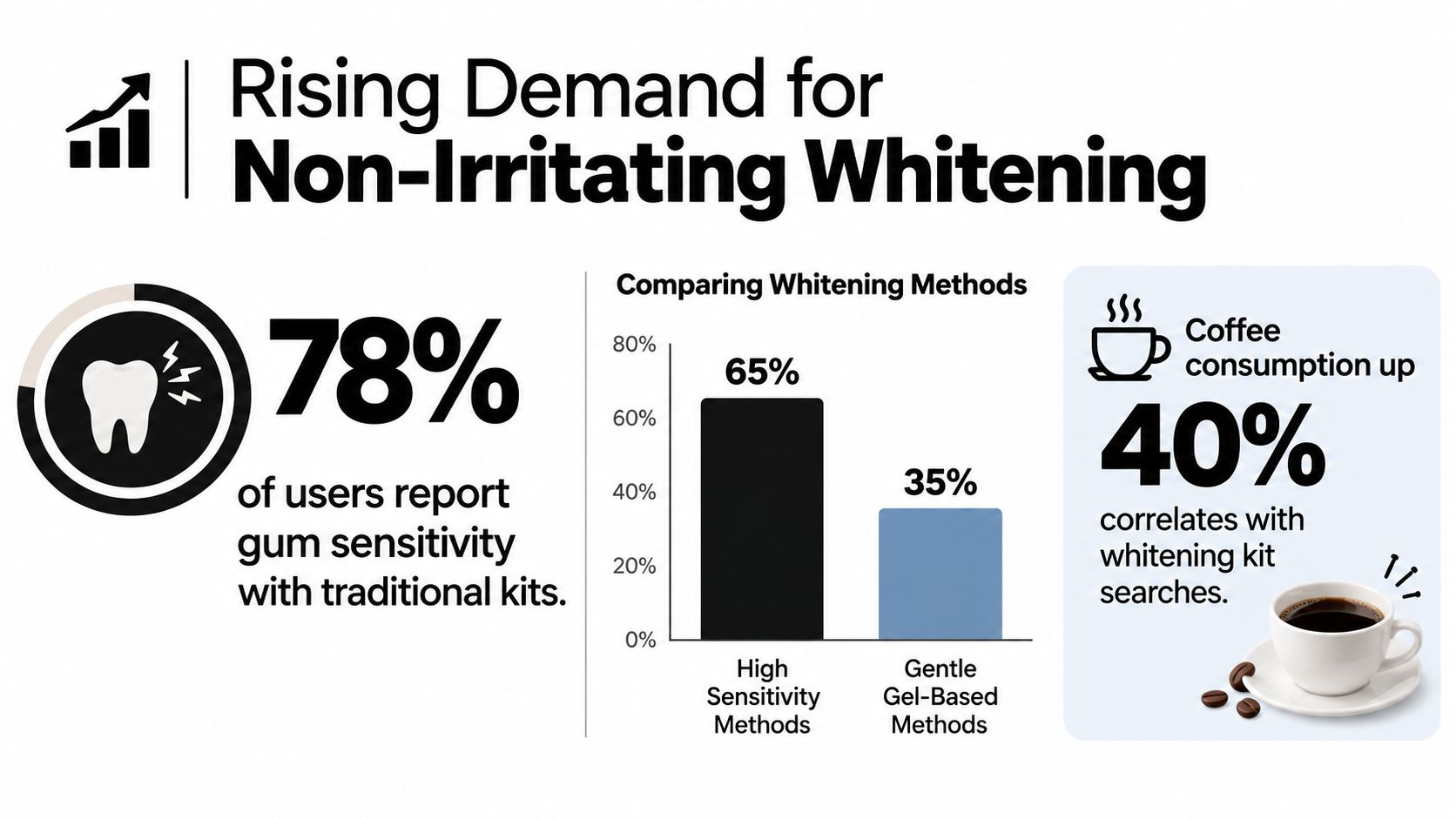
The useful comparison is speed and comfort. Hydrogen peroxide generally acts more quickly, while carbamide peroxide releases peroxide more gradually. A lower-strength gel used as directed can suit someone who values comfort better than a short, high-dose treatment. That distinction also helps separate cosmetic promises from the peroxide chemistry that drives whitening.
What White Bright Teeth Whitening Is
If a kit is advertised as “White Bright,” the name alone does not tell you how it works. It may describe an at-home whitening system built around peroxide gel and supplied with a ready-fit tray, custom tray, pen, or strip-style applicator. The important details are the peroxide type, concentration, supervision, tray quality, and evidence behind the product.
The active chemistry matters more than the branding. The American Dental Association's overview of whitening options identifies hydrogen peroxide and carbamide peroxide as the basis of the most effective whitening products. These ingredients move beyond simple surface polishing and target stain within natural tooth structure. The trade-off is practical: stronger or faster-acting chemistry may increase sensitivity, while a gentler system may require more patience.
Peroxide works like a controlled cleaning agent. It moves into enamel and breaks stain molecules into smaller compounds, allowing the tooth to reflect light differently and appear lighter. The gel does not paint enamel white, and it cannot remove every form of discoloration.
Whitening gel is different from whitening toothpaste
Whitening toothpaste mainly removes surface stains through cleaning and mild abrasion. It can improve the appearance of residue from food, drinks, or tobacco, but it generally does not create the same internal colour change as peroxide bleaching.
Peroxide gel uses a different mechanism. It can affect some discoloration within natural tooth structure, with results influenced by the original stain, enamel, tray contact, and treatment routine. Crowns, veneers, bonding, and tooth-coloured fillings do not change shade in the same way because whitening acts on natural teeth, not restorative materials.
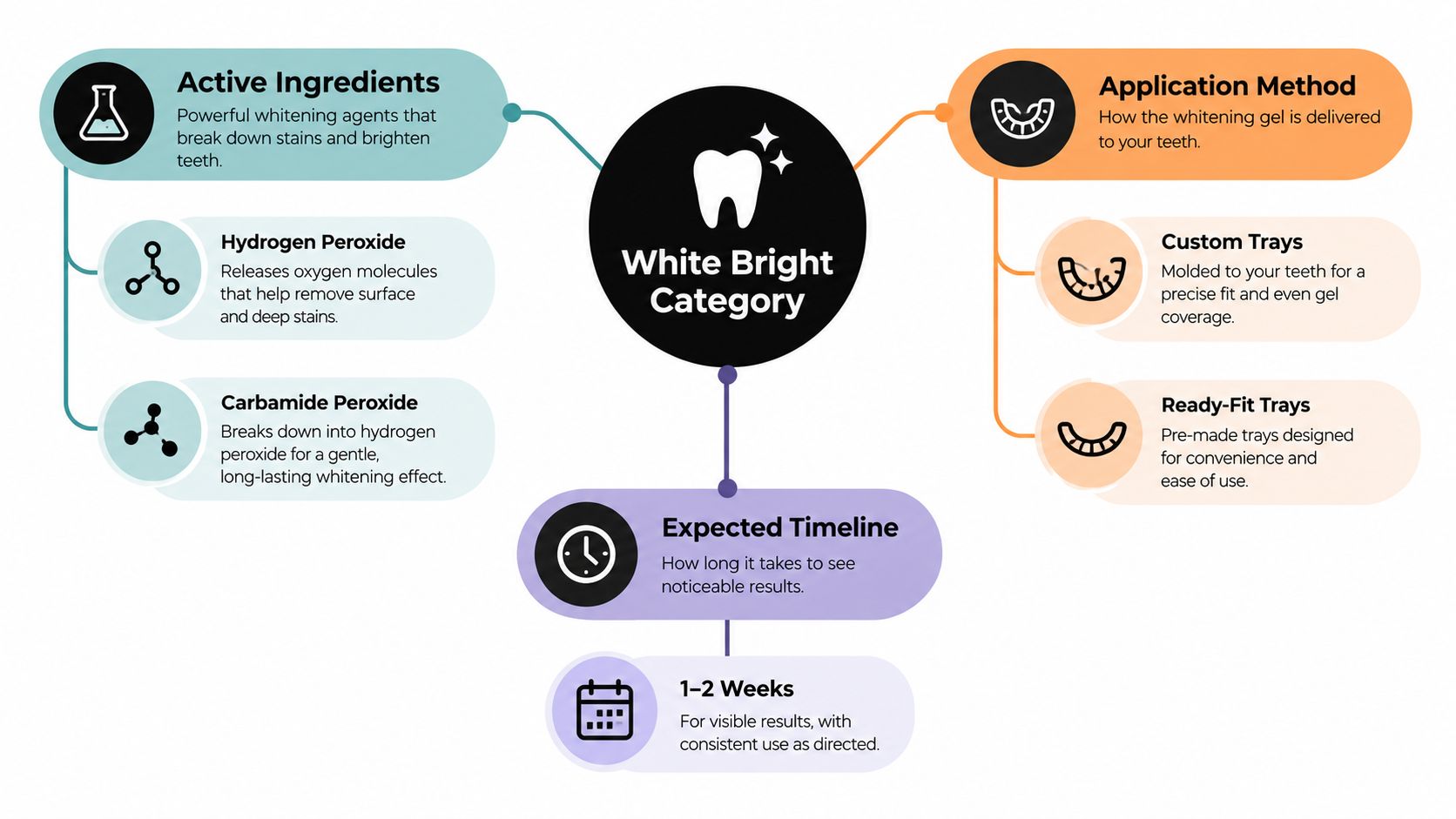
White Bright branding does not guarantee dentist supervision or clinical validation. Check the ingredient, instructions, tray design, warnings, and return information before buying. For a closer look at gel-based bleaching and professional-style use, read this clinic-grade teeth bleaching guide.
How the Peroxide Chemistry Drives Your Results
A first-time buyer may see a stronger peroxide percentage and assume it will deliver a much whiter smile. The trade-off is less simple. Peroxide concentration, contact time, and gel contact with enamel work together, so faster chemistry can also bring more sensitivity.
Hydrogen peroxide is already active and can start breaking down stain compounds soon after application. Carbamide peroxide first breaks down into hydrogen peroxide and urea, releasing the active peroxide more gradually. That slower release can suit a longer routine, such as a 10% carbamide peroxide tray worn overnight according to its instructions. A 6% hydrogen peroxide tray used during the day represents a shorter-contact format. The correct schedule depends on the product, its fit, and your tolerance.
The evidence does not show that increasing peroxide always produces a proportionally whiter result. A clinical review describes 10% carbamide peroxide as a long-standing benchmark for dentist-supervised home bleaching. Across the studies it examined, 10% to 16% carbamide peroxide and even 37% carbamide peroxide produced broadly similar final colour improvement. One study reported colour change around ΔE 5.20*, with the improvement persisting up to 6 months. Review the clinical evidence on home bleaching concentrations
That makes the concentration-versus-comfort decision more useful than a simple “stronger is better” rule. A lower-strength gel may be easier to tolerate, while a higher-strength formula may shorten contact time and raise the chance of sensitivity.
Tray fit also changes the practical result. Saliva can dilute the gel, while a loose edge may let it reach the gums. Stability and pH influence how the formula behaves, so the label percentage gives only part of the picture. This guide to hydrogen peroxide gels for teeth whitening explains how gel formats can differ.
| Peroxide Type & Strength | Typical Wear Time | What the Format May Feel Like |
|---|---|---|
| Lower-strength carbamide peroxide | Longer sessions according to the label | Gradual lightening with a comfort-focused routine |
| Medium-strength carbamide peroxide | Moderate sessions according to the label | Noticeable change when trays fit well |
| Higher-strength carbamide peroxide | Shorter sessions or dentist-directed use | Faster delivery, with greater sensitivity potential |
| Hydrogen peroxide gel | Shorter contact periods are common | Faster initial action, with comfort depending on dose and fit |
The table describes patterns, not a guaranteed shade. Starting colour, stain type, enamel condition, tray coverage, and maintenance habits can all change the outcome.
At-Home Kits Versus In-Office and OTC Options
The right format depends on what you value most. Someone with an event approaching may prioritise speed, while someone with a history of sensitivity may prefer control and gradual progress. A dentist-supervised option adds assessment and guidance, but a consumer kit can be more accessible for repeat use.
The ADA groups whitening into in-office bleaching, dentist-supplied at-home products, and over-the-counter whiteners. Its explanation of the three main delivery formats also notes that only natural teeth whiten, which makes a dental check especially important when crowns, veneers, or bonding are visible.
| Option | Typical Peroxide Strength | Cost Range | Timeframe | Sensitivity Risk |
|---|---|---|---|---|
| In-office bleaching | Higher, dentist-controlled peroxide | Higher than home options | Fastest visible change | Often higher discomfort |
| Dentist-supplied take-home trays | Custom-selected peroxide strength | Mid-range | Gradual, planned treatment | More adjustable |
| White Bright-style consumer kit | Product-dependent peroxide strength | Usually lower than professional care | Gradual at-home use | Depends on dose and fit |
| OTC strips or pens | Usually lower peroxide load | Budget-friendly | Surface and gradual improvement | Often lower, but coverage may vary |
In-office bleaching suits people who want a rapid change and accept a higher price and more intense treatment experience. A dentist can examine the teeth first, check restorations, match shades, protect the gums, and adjust the plan if sensitivity develops.
Professional take-home trays offer another compromise. Custom trays usually provide more consistent gel contact than universal mouthpieces, and a dentist can select a formula around your enamel and sensitivity history. You'll still need to follow the wear schedule, but you have professional oversight.
Consumer kits focus on convenience and affordability. Their results depend heavily on the included tray, the actual peroxide formula, and whether the user applies the correct amount. Strips and pens can work for people seeking a simple approach to surface staining, but they may not cover every tooth evenly.
For more practical advice on choosing a home approach, read this guide to how to whiten teeth at home. The supervision gap remains the central difference. A self-directed kit can be appropriate for a healthy smile, but it can't replace an examination when you have pain, cavities, gum disease, exposed roots, or extensive dental work.
The Honest Truth About Whitening Lights and Accelerators
Whitening lights are marketed as if they transform ordinary gel into a much stronger treatment. The proposed logic is that LED, halogen, or laser activation helps peroxide break down faster, releases more oxygen, or makes the session more efficient. Some systems may also create a temporary visual lift by dehydrating enamel, which can make teeth look lighter before they rehydrate.
The evidence is less dramatic. A 2026 umbrella review found that LED, halogen, and laser activation generally didn't improve whitening efficacy and could increase sensitivity. The same evidence base leaves violet-light activation as a promising but limited area, not a settled reason to choose a light-assisted kit. Read the umbrella review on light activation and whitening.
A light might feel convenient, but convenience isn't the same as a better final shade. In low-concentration kits, short sessions, or poorly fitting trays, the gel's dose and contact are still the limiting factors. Adding a device can't compensate for enamel that needs longer controlled exposure or for gel that has leaked onto the gums.
Before paying extra for an accelerator, ask what it changes beyond the peroxide itself. Does the product provide evidence of a lasting shade benefit, or does it mainly promise faster treatment? This review of LED teeth whitening kits can help you evaluate the claim without assuming that a glowing mouthpiece delivers superior chemistry.
Look past the light: A well-designed tray and a clearly identified peroxide gel usually deserve more attention than an illuminated accessory.
How to Whiten Safely Without Damaging Your Teeth
Safe home whitening begins with checking whether your teeth and gums are ready. A whitening kit cannot solve a cavity, gum inflammation, crack, exposed root, or problem with recent dental work. Ask a dentist to assess these issues first, especially if you have crowns, veneers, or bonding that could create a visible colour mismatch.
Prepare the teeth and tray
Brush and floss before applying the gel so plaque does not interfere with contact. Dry the tray if the instructions permit it, then use only the recommended amount of gel. Filling the tray to the edges does not speed whitening. It makes leakage onto the gums more likely.
Follow the stated wear time. Higher-strength products usually need shorter contact, while lower-strength formulas may call for longer sessions. Do not sleep in the tray unless the manufacturer specifically says to, and do not combine whitening products to increase the dose. Peroxide chemistry needs controlled contact, not a larger amount squeezed into the tray.
Control sensitivity as it appears
If you are prone to sensitivity, prepare before the first session. Use a toothpaste containing 5% potassium nitrate twice daily for two weeks before whitening and throughout the treatment cycle. Alternatively, a fluoride gel can be placed in the tray for 5 minutes after each session, if the product instructions allow it. These steps support comfort without asking you to extend peroxide contact.
If a session causes discomfort, shorten the next session or take a rest day. A slower routine often works better than repeatedly stopping after painful applications. Stop whitening and seek dental advice if you develop sharp pain, pronounced gum irritation, white patches on the gums, or sensitivity that does not settle. The ADA's detailed whitening information describes sensitivity and gingival inflammation as common temporary effects, while persistent or severe symptoms warrant professional attention.
- Check restorations first: Crowns, veneers, and bonding will not lighten like natural enamel.
- Protect the gumline: Remove excess gel before it reaches soft tissue.
- Respect recovery time: Take breaks when sensitivity continues instead of extending the cycle.
- Rinse after staining drinks: Water reduces the time pigments remain against the teeth.
During treatment, limit smoking and strongly coloured drinks or sauces near whitening sessions. Rinse with water after coffee or red wine. Avoid very hot or cold foods immediately afterward if your teeth feel reactive.
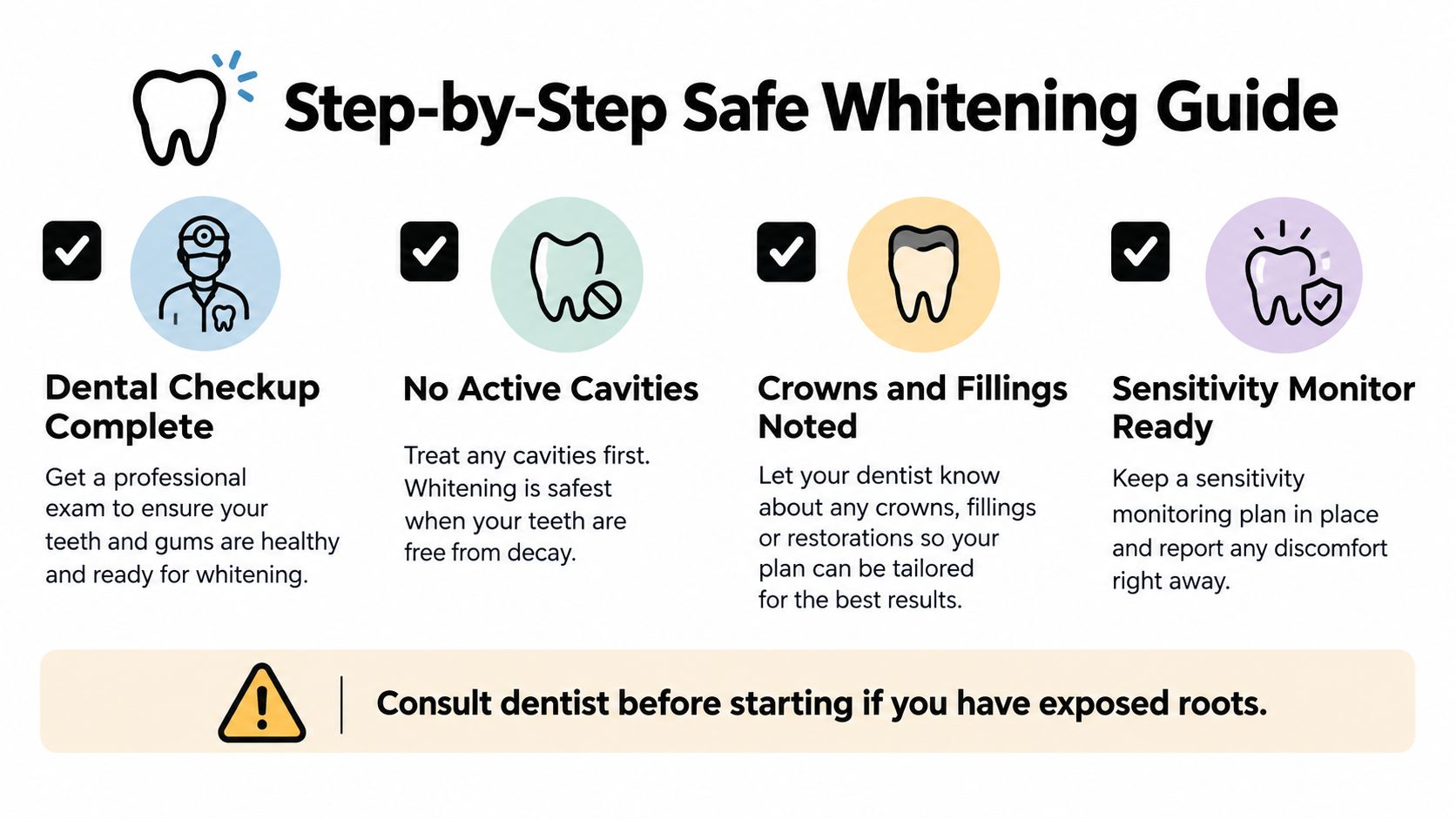
A short visual guide can make tray preparation easier to remember during a first whitening cycle.
Choosing the Right White Bright Option for Your Smile
Choose the routine around your mouth, not the other way around. A person who rarely feels sensitivity may tolerate a stronger carbamide peroxide formula, while someone who reacts to cold drinks may do better with a lower-strength product, shorter sessions, or more recovery time.
If sensitivity is your main concern
Start conservatively. Look for clear instructions, a tray that stays in place, and a formula that lets you adjust frequency without guessing. If your gums recede or roots are exposed, protecting the gumline matters more than chasing a stronger label.
If you want a balance of speed and comfort
A moderate approach usually makes more sense than the most concentrated kit. You can use shorter sessions, add rest days, and evaluate whether the shade is changing before escalating. The evidence discussed earlier supports this cautious strategy because higher concentration doesn't reliably guarantee a better final result.
If you have crowns, veneers, or bonding
Whitening can brighten the surrounding natural teeth while leaving the restoration unchanged. That may create a mismatch, particularly on front teeth. Ask a dentist whether the restoration should be replaced, matched, or left alone before you begin.
Your lifestyle also changes the maintenance equation. Frequent coffee, red wine, tobacco, or dark sauces can bring staining back sooner, while gum recession can make careless gel placement uncomfortable. A useful buying checklist includes:
- Sensitivity history: Have cold foods or previous whitening caused pain?
- Dental work: Are crowns, veneers, fillings, or bonding visible when you smile?
- Tray fit: Can the applicator keep gel on the teeth without flooding the gums?
- Routine commitment: Will you follow the schedule and pause if symptoms appear?
- Maintenance expectations: Are you comfortable repeating short touch-ups when shade fades?
A first-time buyer shouldn't pay for features that don't solve their actual problem. For many people, controlled peroxide exposure and a reliable tray are more relevant than a light, app, or oversized promise on the packaging.
Realistic Results and What to Do Next
Judge whitening against your starting shade, not edited photographs. Natural teeth respond differently, and surface stains from food or drinks may behave differently from discoloration inside the tooth. A visible change is possible, but some people need a dental assessment or another cosmetic option.
Results can remain noticeable for 6 months, although maintenance varies. One review reported that about 50% of patients needed retreatment within 6 months, while 73% of bleached patients achieved at least a two-unit colour change. Those figures show why whitening claims should be read as ranges, not promises of one identical result for every smile. See the review of home bleaching results and retreatment.
A practical maintenance routine
Continue brushing and flossing, rinse after drinks that stain, and do not use whitening gel instead of dental care. When your shade starts to look dull, a short, label-directed touch-up may be more sensible than repeating an aggressive full cycle.
Does peroxide cause the whitening? Yes. Hydrogen peroxide and carbamide peroxide are the established active ingredients. Their concentration, contact time, and your sensitivity determine the balance between speed and comfort.
Do lights guarantee better results? No. Evidence does not show a reliable improvement from common LED, halogen, or laser activation, and lights may increase sensitivity.
Can sensitivity be managed? Often. Reduce intensity, shorten sessions, use a suitable desensitising product, and stop if symptoms continue.
How often should touch-ups be done? Follow the product label and wait until the shade visibly fades. Repeating treatment too often can increase discomfort without guaranteeing a whiter result.
Will crowns or veneers whiten? No. Whitening changes natural tooth structure, not tooth-coloured restorations.
Choose a clearly labelled peroxide kit with a secure tray and begin with the gentlest effective routine. Arrange a dental check first if you have pain, gum recession, cavities, or visible restorations.
DentalHealth.com offers at-home whitening gels, kits, sensitivity products, trays, and practical guidance. Visit DentalHealth.com to compare peroxide-based options.